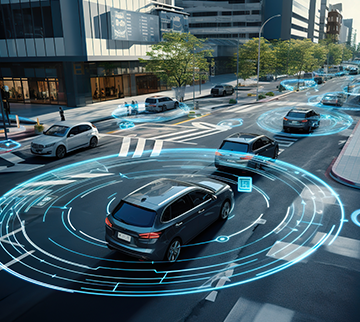

Artificial intelligence in industrial sectors
Neural networks process industrial datasets to predict maintenance needs. Algorithms analyze production lines in real-time, detecting anomalies early, optimizing energy, and reducing downtime without manual intervention. This shift towards predictive automation transforms facilities into smart ecosystems adapting to market demands instantly.


Cybersecurity and cloud data sovereignty
Adhering to strict GDPR standards, organizations deploy end-to-end encryption to shield sensitive data. Multi-factor authentication creates barriers, while local data centers ensure sovereignty. Continuous monitoring identifies breaches, allowing security systems to isolate ransomware and preserve platform integrity within the IT framework.
Digital innovations for modern comfort

Biometric wearable health monitors
Sensors track physiological signs continuously.

Smart home automation hubs
Centralized control manages energy consumption.
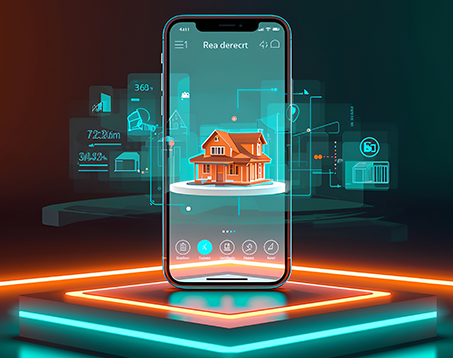
Next-gen 5G smartphones
Chipsets handle augmented reality tasks.

Active noise-canceling audio
Acoustic filters isolate ambient decibels.
Immersive digital gaming experiences
Ray-tracing technology renders hyper-realistic lighting, transforming virtual simulations. Players navigate complex narratives with zero latency, supported by fiber-optic broadband, enhancing competitive multiplayer responsiveness and 4K graphical fidelity.
Connected IoT Urban Infrastructure
High-speed 5G antennas in urban centers facilitate communication between autonomous transport and traffic management platforms, reducing congestion effectively.
Smart grids distribute electricity based on real-time demand, minimizing waste. IoT sensors on public infrastructure monitor structural stability, sending alerts for repairs, ensuring safety and grid efficiency in metro zones.